StoryToys and LEGO® Bluey: Designing Games for Different Ages with Unity
Published at: 29/01/2026
Summary
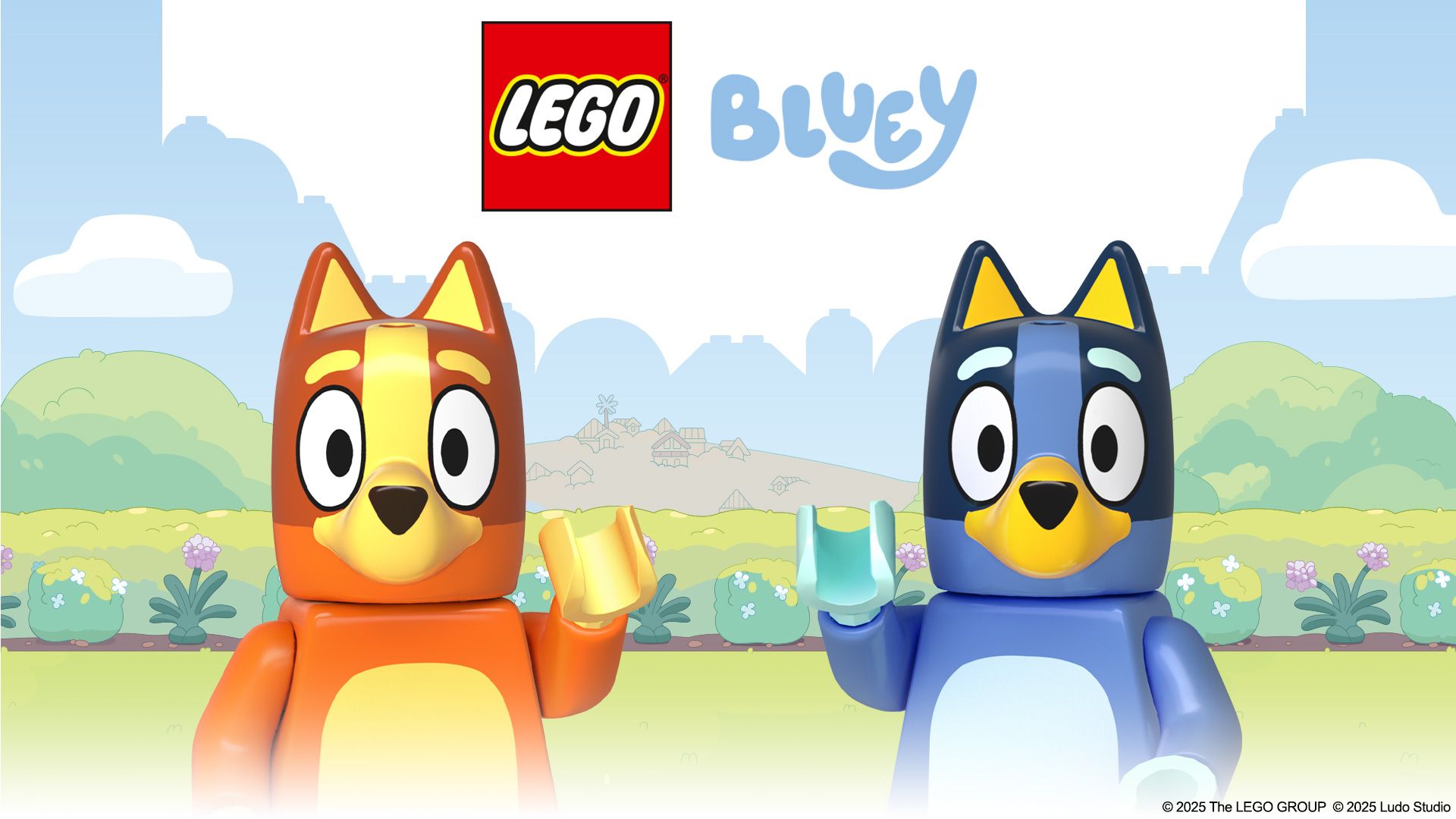
StoryToys, known for educational apps like Hungry Caterpillar Play School and LEGO® DUPLO® World, launched LEGO® Bluey on August 14, 2025. Developed in collaboration with the LEGO Group and BBC Studios, the app targets kids age two to four, blending fun with early learning.
What was announced
Devon Wolfgang, principal engineer at StoryToys, and Ryan Dykes, the app’s lead developer, shared the challenges of designing an app for different ages, levels of motor skills, emotional intelligence, problem-solving, and humor. A key challenge was creating a design that caters to both two-year-olds, who explore through tapping, and four-year-olds, who seek to master mechanics. To address this, StoryToys implemented gradual progression, with 2D and 3D elements, and avoided direct instructions, using subtle visual cues and animations.
Relevance for devs
- Adaptive Design: Implementation of game mechanics that adapt to different age groups (2+ and 4+), offering appropriate challenges for each group.
- Unity Addressables: Extensive use of Addressables to optimize download size and build time.
- Visual Communication: Focus on visual communication and animations instead of text, crucial for an audience that cannot yet read.
- Code Reuse: Unification of LEGO DUPLO and minifig systems under the same core codebase for sustainability and consistency.
- Physics in Unity: Implementation of 3D block building using Unity's physics system, allowing rotation, stacking, and flexible fitting of blocks.
Impact
The development of LEGO® Bluey demonstrates the importance of considering the different abilities and needs of children when creating educational games. The use of Unity and its tools, such as Addressables and Prefabs, was crucial to optimize the development process and deliver a high-quality experience. The design approach focused on visual communication and gradual progression can serve as an example for other developers seeking to create games for a diverse audience.
Source: Original Link
Dude, this is some insane work! These guys thought of EVERYTHING to make a game that kids from 2 to 4 can enjoy. The idea of using Addressables in Unity to reduce the download size was GENIUS. And the no-text, all-visual approach is, like, the PEAK of game design for this age group. Listen up, devs, this news is a goldmine of ideas!